
EV Loan Hub :: News
SHARE

Share this news item!

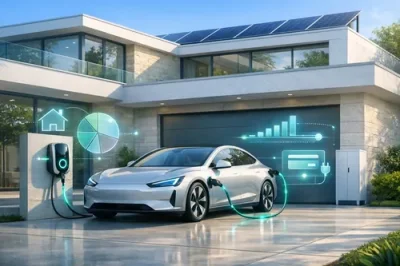
Why EV Charging Costs Now Belong in Your Loan Budget

Running costs are becoming just as important as the sticker price

Why EV Charging Costs Now Belong in Your Loan Budget?w=400

The information on this website is general in nature and does not take into account your objectives, financial situation, or needs. Consider seeking personal advice from a licensed adviser before acting on any information.

Australia’s electric vehicle conversation is moving beyond the showroom.
Recent energy and motoring coverage has put renewed attention on charging access, electricity tariffs and the real cost of keeping an EV on the road.
For buyers planning an ev loan, that shift matters because affordability is no longer just about the purchase price, deposit and interest rate.

The appeal of an EV has often rested on lower running costs, particularly for drivers who can charge at home using off-peak electricity or rooftop solar. That advantage still exists for many households, but it is not automatic. Apartment residents, renters, regional drivers and people who rely heavily on public fast charging may face a different cost picture from someone with a garage, a smart charger and flexible energy pricing.

This is where the finance decision becomes more practical. A cheaper EV with slower charging, limited range or a reliance on public infrastructure may not always deliver the lowest monthly ownership cost. Equally, a more expensive model with better efficiency, longer range or easier home charging compatibility could make sense if it reduces charging stress and day-to-day costs. The right comparison is not simply vehicle versus vehicle; it is total monthly cost versus budget comfort.

Buyers should also think carefully about the home set-up. Charger installation, electrical upgrades and body corporate approvals can add to the upfront bill. Some borrowers may want to pay those costs separately, while others may consider including eligible set-up costs in their finance. Before doing that, it is worth using an EV Loan Calculator to test how a higher loan amount affects repayments and total interest over the full term.

The latest charging discussion also extends our previous reporting on shifting EV sales. As more models enter the market, buyers are becoming more selective, and charging convenience is one of the factors that can influence both demand and resale confidence. Lenders may not assess every charging detail, but borrowers should, because these costs sit alongside registration, insurance, servicing and tyres.

The practical takeaway is simple: do not treat fuel savings as a guaranteed offset until you have modelled your own driving pattern. Estimate kilometres, home and public charging split, likely electricity plan, installation costs and any balloon payment. A sharp advertised rate can help, but the strongest EV finance decision is one that reflects how the car will actually be used.

Published:Wednesday, 16th Sep 2026
Author: Paige Estritori

Please Note: We do not endorse any specific products or companies. Some content is sourced from third parties, including press releases, and may not be independently verified for accuracy or completeness.

Share this news item:

Rate this article

0 Comments

No comments yet. Be the first to share your thoughts.

Finance News

Latest EV Delivery Data Adds Another Budget Check for Buyers
04 Nov 2026: Paige Estritori
Australia’s electric vehicle market has entered the final stretch of 2026 with another sign of sustained buyer interest, after the Electric Vehicle Council’s October vehicle sales report showed combined Tesla and Polestar battery electric deliveries of 4,168 vehicles for the month. The figure does not cover the whole EV market, but it is still useful for finance-minded buyers because it shows that demand for popular electric models remains active even as household budgets stay under pressure. - read more
Renault Megane E-Tech Return Adds a New Budget Test for EV Buyers
28 Oct 2026: Paige Estritori
Renault has reopened the Australian order book for the updated Megane E-Tech, giving EV buyers another mid-priced electric hatchback to consider as they plan finance for 2027 deliveries. The refreshed model is priced from $55,990 plus on-road costs in a single Esprit Alpine grade, with showroom arrivals due in the first half of 2027 after a break in local availability. - read more
Why EV Charging Costs Now Belong in Your Loan Budget
16 Sep 2026: Paige Estritori
Australia’s electric vehicle conversation is moving beyond the showroom. Recent energy and motoring coverage has put renewed attention on charging access, electricity tariffs and the real cost of keeping an EV on the road. For buyers planning an ev loan, that shift matters because affordability is no longer just about the purchase price, deposit and interest rate. - read more
Changing EV Loan Rates Give Buyers a Fresh Reason to Recheck the Numbers
09 Sep 2026: Paige Estritori
Recent car loan market updates suggest competition in electric vehicle finance is still active, with some lenders using green loan offers and sharper advertised rates to attract borrowers. For Australian EV buyers, that is encouraging, but it also makes the comparison process more important rather than less. A lower headline rate can reduce borrowing costs, yet it is only one part of the overall loan decision. - read more


Car Loan Articles

How EV Incentives and Tax Rules Can Affect Vehicle Finance in Australia
EV rebates, stamp duty concessions, registration discounts and tax settings can change the upfront cost or cash flow of buying an electric vehicle. This guide explains how those rules may affect the amount you need to finance in Australia. - read more
Fluids and Filters: What Every EV Owner Needs to Know
Welcome to the world of EVs, where innovation meets sustainability. In Australia, EVs are gaining popularity as environmentally conscious drivers seek alternatives to traditional gasoline-powered cars. As we aim for a cleaner, greener future, understanding the basics of maintaining these vehicles becomes crucial. - read more
New and Used EVs: Finance Factors to Consider Before Applying
Deciding between a new and used electric vehicle is not only about purchase price, range and features. Lenders may assess new and used EVs differently, especially when vehicle age, odometer reading, battery condition, warranty cover, insurance and resale value are involved. - read more
EV Finance Options in Australia: Loans, Leases and Business Vehicle Finance
Australians buying an electric vehicle may be able to use a secured car loan, unsecured personal loan, novated lease or business vehicle finance. Each option works differently, with different ownership, security, tax, repayment and eligibility considerations. - read more

Knowledgebase
Debt Consolidation:
Debt consolidation usually involves negotiating a new loan to pay other existing loans in order to get more favourable interest rates and terms.