The information on this website is general in nature and does not take into account your objectives, financial situation, or needs. Consider seeking personal advice from a licensed adviser before acting on any information.
Australians buying an electric vehicle may be able to use a secured car loan, unsecured personal loan, novated lease or business vehicle finance. Each option works differently, with different ownership, security, tax, repayment and eligibility considerations.
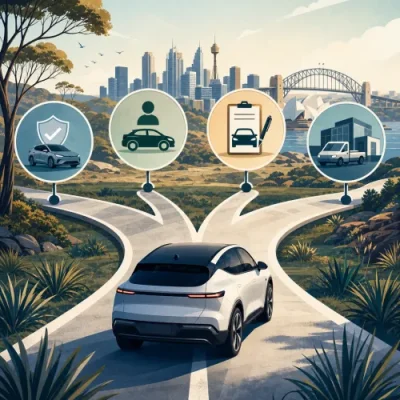
EV finance options in Australia can look similar at first glance, but the structure you choose can affect your repayments, ownership, tax treatment, flexibility and what happens if you sell or upgrade the vehicle later. For many buyers, the main choices are a secured EV loan, an unsecured personal loan, a novated lease or a business vehicle finance product such as a chattel mortgage.
This guide explains how the main electric vehicle finance structures generally work, who they may suit and what to compare before applying. It is general information only and does not consider your personal objectives, financial situation or needs.
What does EV finance usually include?
EV finance is a broad term for funding used to buy or access an electric vehicle. Depending on the borrower, lender and vehicle, it may include finance for:
- a new or used battery electric vehicle;
- a plug-in hybrid or other eligible low-emission vehicle, depending on lender criteria;
- dealer, private sale or fleet purchase arrangements;
- some on-road costs, accessories or charging equipment, where permitted by the finance provider;
- business-use vehicles, including vehicles used by sole traders, companies or trusts.
Not every lender treats EVs, used EVs, imported vehicles, battery warranties or charging accessories in the same way. Before comparing rates or repayments, it helps to understand the type of finance being offered.
If you want a broader starting point before narrowing the structure, you can explore general EV loan options in Australia through EV Loan Hub.
Common EV finance options in Australia
The right structure depends on whether you are buying privately or through a business, whether you want to own the vehicle, how you use the vehicle and what eligibility criteria you can meet. The table below summarises the main differences.
| Finance option | How it generally works | Common users | Key considerations |
|---|
| Secured EV loan | The vehicle is usually used as security for the loan. | Personal buyers who want to own the EV. | May offer different rates from unsecured finance, but the lender can have rights over the vehicle if repayments are not met. |
| Unsecured personal loan | You borrow without using the vehicle as security. | Buyers wanting flexibility, older vehicles or purchases that do not meet secured loan criteria. | May have different pricing and borrowing limits. Eligibility depends on credit assessment and lender policy. |
| Novated lease electric car | An arrangement involving you, your employer and a lease provider, with repayments commonly made through salary packaging. | Employees whose employer offers salary packaging. | Depends on employer participation, lease terms, vehicle eligibility, tax treatment and what happens if employment changes. |
| Chattel mortgage EV | A business borrows to buy the vehicle, with the vehicle generally used as security. | Businesses, sole traders and some self-employed borrowers using the EV for business purposes. | Tax and GST outcomes depend on business circumstances and should be checked with a qualified tax adviser. |
| Finance lease or operating lease | A business leases the vehicle for an agreed term rather than using a standard personal car loan. | Businesses wanting structured fleet or vehicle access arrangements. | Ownership, residual values, end-of-term options and accounting treatment can vary. |
Secured EV loan
A secured EV loan is a common form of electric vehicle finance in Australia. The lender usually takes security over the car, which means the vehicle helps support the loan. You generally make regular repayments over an agreed term and own the vehicle, subject to the lender's security interest and the loan contract.
This structure may be considered for new EVs and some used EVs, depending on the vehicle age, condition, source of purchase and lender criteria. Some providers may also look closely at battery condition, remaining warranty, odometer reading and whether the vehicle is listed on recognised valuation systems.
Potential advantages
- Clear ownership path: the borrower generally buys the vehicle and repays the loan over time.
- Purpose-built car finance: the loan is structured around a vehicle purchase rather than general spending.
- Possible pricing differences: secured finance may be priced differently from unsecured finance, although actual rates depend on the lender, borrower and vehicle.
Potential limitations
- Vehicle restrictions: not every EV, used EV, imported model or private sale may be accepted.
- Security risk: if repayments are not made, the lender may have rights in relation to the vehicle.
- Sale restrictions: you generally need to deal with the loan payout and security interest before selling or refinancing.
A secured EV loan may suit buyers who want to own the car and are comfortable using the vehicle as security, but suitability depends on individual circumstances and provider assessment.
Unsecured EV personal loan
An unsecured EV personal loan does not usually use the vehicle as security. Instead, approval and pricing are based on the lender's assessment of your credit profile, income, expenses, liabilities and overall capacity to repay.
This option may be considered where a vehicle does not meet secured car loan criteria, or where the buyer wants a loan that is not tied to the vehicle in the same way. It may also be used for a mix of vehicle-related costs if the lender allows that purpose.
What to compare
- Interest rate and comparison rate: the advertised rate may not be the rate you receive.
- Fees: check establishment, monthly, early repayment and exit fees where applicable.
- Loan amount and term: borrowing limits may differ from secured car finance.
- Repayment flexibility: confirm whether extra repayments or early payout are allowed and whether fees apply.
Because the lender does not have the same type of vehicle security, unsecured personal loans can involve different eligibility settings and pricing. They are not automatically better or worse than secured loans; the comparison depends on the full cost, flexibility and your circumstances.
Novated lease for an electric car
A novated lease electric car arrangement is different from a standard car loan. It usually involves three parties: you as the employee, your employer and a lease or salary packaging provider. Lease payments and selected running costs may be arranged through your pay, depending on the package.
Novated leases can be popular with employees comparing EV finance options because electric vehicles may receive particular tax treatment in some circumstances. However, the details can be complex and may change over time. Eligibility can depend on the vehicle, employer participation, salary packaging rules, lease provider settings and your employment situation.
Questions to ask before choosing a novated lease
- Does your employer offer novated leasing or salary packaging?
- Which EV models and price ranges are eligible under the provider's rules?
- What costs are included in the package, such as registration, insurance, servicing, tyres or charging?
- What happens if you change employer, reduce hours or leave your job?
- Is there a residual value or end-of-lease payment, and how is it calculated?
- How does the arrangement affect your taxable income, take-home pay and benefits?
It is sensible to obtain written quotes and seek independent tax or financial advice where needed before entering a novated lease. Salary packaging outcomes can vary significantly between people.
Business EV finance and chattel mortgages
Business vehicle finance is commonly used when an EV is purchased mainly for business purposes. The structure may be available to companies, sole traders, partnerships or trusts, subject to lender criteria and business documentation.
A chattel mortgage EV arrangement generally involves the business borrowing to buy the vehicle, with the EV used as security. The business usually takes ownership of the vehicle from the start, while the lender registers an interest until the loan is repaid.
Other business structures may include commercial hire purchase, finance leases or operating leases. The right option can depend on cash flow, accounting treatment, business use, GST registration, vehicle turnover plans and whether the business wants to own the EV at the end of the term.
Business factors to consider
- Business use: lenders may want to understand how the EV will be used and whether it supports business income.
- Documentation: requirements may include financial statements, BAS, tax returns, bank statements or accountant-prepared information.
- Deposit or balloon: some business finance structures may include a deposit, residual or balloon payment.
- Tax treatment: interest, depreciation, GST credits and deductions can depend on the borrower and vehicle use. Ask a qualified tax adviser before relying on any expected tax outcome.
- Cash flow: a lower regular repayment with a balloon may improve short-term cash flow but can leave a larger amount due later.
Business EV finance can be useful, but it is important to compare the total cost and end-of-term obligations rather than focusing only on the monthly repayment.
How new and used EV finance can differ
Finance for a new EV may be assessed differently from finance for a used EV. New vehicles often have clearer pricing, warranties and dealer documentation. Used EVs may require closer review of age, kilometres, battery health, service history, remaining warranty and private sale documentation.
Some lenders may apply limits on vehicle age at the start or end of the loan term. Others may be more cautious with grey imports, repairable write-offs, modified vehicles or EVs without a clear valuation history.
If you are still deciding between a new and used vehicle, read the related guide to new versus used EVs before finalising your finance structure.
How repayments, balloons and total cost work
When comparing EV finance options, the repayment amount is only one part of the picture. A lower monthly repayment may reflect a longer loan term, a larger balloon payment or excluded running costs. The total cost can also be affected by fees, rate type, early repayment conditions and insurance or warranty add-ons.
Common repayment factors include:
- loan amount or vehicle price;
- deposit or trade-in contribution;
- loan term or lease term;
- interest rate and comparison rate, where applicable;
- fees and charges;
- balloon or residual amount;
- whether running costs are included in a lease package;
- the expected resale value of the EV at the end of the term.
Before applying, it can be useful to estimate different repayment scenarios with an EV loan calculator. A calculator is only a guide and does not confirm approval, pricing or affordability under a lender's assessment.
Eligibility and approval considerations
All EV finance applications are subject to assessment. Lenders and finance providers commonly consider your income, expenses, credit history, employment or business stability, existing debts, deposit, vehicle type and loan structure.
For personal borrowers, responsible lending obligations generally require lenders to assess whether the loan is not unsuitable based on the information provided and verified. For business borrowers, the assessment may focus more heavily on business financials, cash flow and commercial purpose, depending on the product and borrower type.
Vehicle-related criteria can also matter. A lender may ask whether the EV is new or used, dealer or private sale, locally delivered or imported, and whether it has a clear title. For secured finance, the vehicle must usually be acceptable security.
For a deeper look at common lender checks, see the guide to EV loan eligibility in Australia.
Should you use a bank, dealer finance or broker referral?
EV buyers may compare finance directly through a bank or lender, through a dealership, or with help from a broker or broker referral network. Each pathway can have advantages and limitations.
- Direct lender: may suit borrowers who already know the product they want and are comfortable comparing terms themselves.
- Dealer finance: can be convenient at the point of sale, but it is still important to compare the full cost and contract terms.
- Broker referral support: may help borrowers understand which loan structures are available across different providers, subject to lender criteria and the borrower's circumstances.
If you are unsure which finance structure to compare, you can review available support through the broker referral page. A broker or referral partner cannot guarantee approval or a particular rate, but may help explain options and documentation requirements.
How to compare EV finance options before applying
Before choosing a structure, compare more than the advertised rate. A practical comparison should include both the finance contract and how you plan to use the vehicle.
- Ownership: do you want to own the EV from the start, at the end of the term, or not at all?
- Use: is the vehicle mainly personal, business or mixed use?
- Security: are you comfortable using the EV as security for the loan?
- Flexibility: can you make extra repayments, sell the car, refinance or exit early?
- End-of-term amount: is there a balloon, residual or lease payout?
- Total cost: include interest, fees, running costs, insurance and any end-of-term obligations.
- Vehicle criteria: confirm whether the lender accepts the specific EV you want to buy.
- Tax and employment impacts: check professional advice for novated leases and business finance.
The most suitable EV finance option is not the same for every buyer. It depends on your personal or business circumstances, the vehicle, lender criteria and the full contract terms.
Key takeaways
- A secured EV loan is commonly used by personal buyers who want to own the vehicle and use it as security.
- An unsecured personal loan may offer flexibility but can be assessed and priced differently from secured finance.
- A novated lease may suit some employees, but it depends on employer participation, tax treatment and lease conditions.
- A chattel mortgage or other business vehicle finance may suit business-use EVs, subject to commercial assessment and tax advice.
- New and used EV finance can differ because lenders may assess vehicle age, battery condition, warranty and resale risk.
- Always compare total cost, not just the monthly repayment or advertised rate.
Published: Tuesday, 6th Oct 2026
Author: Paige Estritori



No comments yet. Be the first to share your thoughts.