The information on this website is general in nature and does not take into account your objectives, financial situation, or needs. Consider seeking personal advice from a licensed adviser before acting on any information.
Welcome to the world of EVs (electric vehicles), where sustainable living and cutting-edge technology merge seamlessly. As Australia embraces the green movement, more people are considering EVs as their preferred mode of transport. Whether you're looking to reduce your carbon footprint or simply want to enjoy the benefits of electric transport, there's no better time to explore your options.
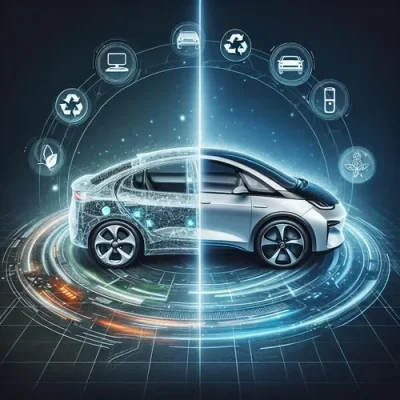
The choice between a new or used EV is an important decision for those wanting to lead a sustainable lifestyle. Both options have their unique advantages and can significantly impact your environmental contribution and financial situation.
In this blog, we'll delve into the factors to consider when selecting an EV, explore the various loan options available to make your purchase more manageable, and provide practical tips to improve your loan eligibility. Whether you're an EV enthusiast or a first-time buyer, our goal is to equip you with the knowledge needed to make an informed decision that aligns with your sustainable living goals.
So, buckle up as we take you through the electrifying world of EVs and help you determine whether a new or used EV fits your sustainable lifestyle best.
Why Opt for an EV?
Switching to an EV offers several enticing benefits, starting with the environmental impact. EVs produce zero tailpipe emissions, unlike their petrol or diesel counterparts. This translates to cleaner air and a healthier planet. In an era where climate change is a pressing issue, transitioning to an EV can significantly reduce your carbon footprint and contribute to positive environmental change.
Beyond environmental perks, EV ownership can substantially lower your running costs. Traditional vehicles rely on fossil fuels, the prices of which can be unpredictable and often high. However, EVs operate on electricity, which tends to be more cost-effective. Moreover, EVs have fewer moving parts than internal combustion engines, leading to lower maintenance costs over the vehicle's lifetime.
Infrastructure for EVs in Australia is steadily improving, with an increasing number of charging stations accessible nationwide. This growth supports both urban and regional travel, making it easier than ever to charge your EV on the go. Charging networks are often strategically placed at convenient locations, such as shopping centres and public carparks, so you can power up your ride while you go about your day.
The Case for New EVs
New EVs come packed with the latest technological advancements, making them highly attractive to tech-savvy drivers. Modern EVs boast features like advanced driver-assistance systems, enhanced battery technology with longer ranges, and frequent software updates that unlock new functionalities. These innovations ensure a smoother, safer, and more efficient driving experience.
Another significant advantage of buying new is the comprehensive manufacturer warranties. These warranties often cover major components like the battery and electric drivetrain, providing peace of mind for buyers. Additionally, the after-sales support for new EVs is typically robust, including regular maintenance check-ups and dedicated customer service, ensuring your vehicle remains in top shape over its lifespan.
Moreover, new EV buyers in Australia can benefit from several government incentives and rebates designed to encourage eco-friendly transport. These incentives might include upfront purchase discounts or reduced registration fees, making it more financially feasible to step into greener territory. By taking advantage of these benefits, you can significantly reduce the initial cost of your new EV, making it an appealing option for those prioritising long-term savings and sustainability.
The Benefits of Choosing a Used EV
Opting for a used electric vehicle (EV) presents a compelling financial advantage over buying new. Used EVs usually come with a lower price tag, allowing you to enjoy the benefits of electric driving without a significant initial investment. This affordability opens the door to EV ownership for a broader range of buyers, particularly those conscious of their budget.
One common concern when buying a used EV is battery life. Fortunately, the lifespan of EV batteries has improved significantly over recent years, and many display little degradation even after several years of use. To ensure you’re making a sound investment, it’s advisable to request a battery health report, which can provide insights into the remaining capacity and efficiency. Additionally, check if the vehicle is still under any manufacturer warranty, as this can provide added assurance.
Another advantage of choosing a used EV is the wider range of models available at various price points. With each passing year, more EV models enter the market, giving used car buyers better choices in terms of features, design, and price. This diversity allows you to find an EV that matches your lifestyle and specific needs without breaking the bank. As a result, purchasing a used EV can be an excellent option for those looking to embrace sustainable transport in an economical manner.
Financial Considerations for New vs. Used EVs
When choosing between a new or used electric vehicle (EV), financial considerations play a significant role in the decision-making process. One of the primary factors to consider is the financing options available for each. New EV purchases often come with better loan terms, including lower interest rates and longer repayment periods. Lenders typically view new vehicles as less risky investments, thereby offering more favourable financing conditions.
In contrast, loans for used EVs might come with slightly higher interest rates or require shorter loan terms. However, the lower overall purchase price often offsets these differences, making them an attractive option for buyers looking to minimize their initial outlay. It’s crucial to research and compare various lenders to find the best deal, whether purchasing new or used.
Another financial aspect to consider is depreciation. New EVs tend to depreciate faster than used ones, losing a larger percentage of their value within the first few years of ownership. This rapid depreciation can impact the vehicle's long-term investment value. Used EVs, having already undergone significant depreciation, tend to hold their value better over time, offering more stable investment opportunities.
Insurance premiums also vary between new and used EVs. New EVs might attract higher premiums due to their higher replacement value. Used EVs, being less expensive, might lead to lower insurance costs. Factors such as vehicle age, model, and safety features also influence premiums, requiring careful comparison to determine the best financial fit for your situation.
Environmental Impact: New vs. Used EVs
When considering the environmental impact of EVs, it's vital to weigh the carbon footprint of manufacturing new EVs against the benefits of extending the life of a used EV. Manufacturing a new vehicle involves resource extraction and production processes that contribute to carbon emissions. Although EVs produce zero tailpipe emissions during operation, the initial manufacturing phase has a notable environmental cost.
On the other hand, extending the life of a used EV aligns with sustainable practices by maximising the use of existing resources. Opting for a used EV reduces the need for new production, thereby lowering the overall demand for raw materials and energy-intensive manufacturing. This decision directly decreases the carbon footprint associated with vehicle production, making it a more environmentally conscious choice.
Sustainable decision-making plays a pivotal role in choosing between a new and a used EV. Factors such as personal transport needs and available infrastructure can guide this decision. For instance, if a used EV meets your mobility requirements and local charging networks support your travel habits, it might be the greener choice.
Examples of making eco-friendly decisions include supporting the circular economy by keeping products in use longer and reducing wastefulness through informed purchases. Choosing a used EV can exemplify these values, making your vehicle choice a reflection of your commitment to sustainability and environmental stewardship.
Conclusion: Your Path to EV Ownership
In the journey through the electrifying world of EVs, we've explored the numerous advantages of opting for an eco-friendly mode of transport. Whether considering new or used EVs, the benefits such as environmental impact, cost savings, and future-proofing options are compelling reasons to make the switch to electric.
The decision between new and used EVs goes beyond just financial and technological considerations. It extends to evaluating personal circumstances, values, and environmental commitments. Your choice should reflect not only your budgetary constraints but also your aspirations for sustainable living and contributing positively to the environment.
We encourage you to assess these factors carefully and consider how your decision aligns with your broader lifestyle goals. Understanding the landscape of available loans and incentives in Australia can help in making an informed choice that best supports your transition to electric mobility.
Should you need further guidance, feel free to explore additional resources or reach out to financial services for personalised advice. Our experts are ready to assist you in navigating the financial aspects of EV ownership, ensuring you make a decision that suits your financial health and sustainable aspirations. Embrace the future of transport and take the first step towards a cleaner, greener lifestyle today.
Published: Friday, 27th Mar 2026
Author: Paige Estritori




Battery health report is the big one for me; a cheaper used EV only works if EV loan rates don’t wipe out the saving.