
EV Loan Hub :: News
SHARE

Share this news item!

ASIC’s Car Finance Review Puts EV Buyers on Notice

Why total cost, fees and loan structure matter before you sign

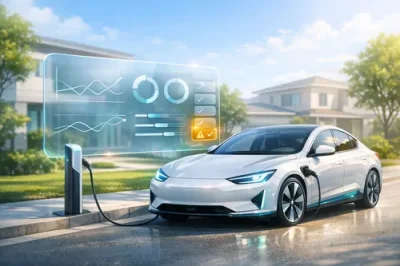
ASIC’s Car Finance Review Puts EV Buyers on Notice?w=400

The information on this website is general in nature and does not take into account your objectives, financial situation, or needs. Consider seeking personal advice from a licensed adviser before acting on any information.

Australia’s car finance market is under fresh scrutiny after ASIC released its latest review of car loans on 24 June 2026, highlighting concerns that are highly relevant for anyone planning to finance an electric vehicle.
While the report covers the broader motor finance sector, its findings matter for EV shoppers because higher purchase prices, rapid model changes and varying resale assumptions can make the real cost of finance harder to judge at first glance.

ASIC reviewed data from more than 350,000 car loans across eight finance providers and raised concerns about how some loans are distributed through third parties such as dealers and brokers. The regulator pointed to issues including weak oversight of distributors, high fees, high interest rates, poor monitoring of borrower outcomes and vehicle purchase prices that could sit well above lender-verified values. For households already worried about approval, repayments and hidden charges, the message is clear: the cheapest-looking deal at the dealership may not be the cheapest deal over the full loan term.

One area of concern was the way some short-term loan structures, including Guaranteed Future Value arrangements, were promoted through dealership channels. These products can suit some buyers, but they may come with conditions around kilometres, vehicle condition and end-of-term choices. For EV buyers, those details can be especially important because battery warranty, charging habits, depreciation and future model pricing may all affect whether the structure remains suitable.

The practical takeaway is not that buyers should avoid finance, but that they should slow the process down and compare the full picture. Before signing, check the comparison rate, establishment fees, monthly account fees, balloon payments, early payout costs and any dealer add-ons rolled into the loan. If you are buying a used EV, also consider whether the financed amount lines up with the vehicle’s age, battery condition, warranty status and realistic market value.

For many Australians, an EV can still be a sensible way to reduce petrol exposure and running costs, particularly when charged at home or through low-cost electricity plans. But the finance decision needs to stack up independently of the environmental or fuel-saving benefits. It is worth using an EV loan calculator to test repayments under different deposits, rates and terms before committing.

This story also extends the recent trend of rising EV finance demand in Australia. As more buyers enter the market, scrutiny of loan quality becomes more important. The safest approach is to compare EV loan options, understand the total payable amount, and avoid being rushed by sales pressure at the point of purchase.

Published:Sunday, 28th Jun 2026
Author: Paige Estritori

Please Note: We do not endorse any specific products or companies. Some content is sourced from third parties, including press releases, and may not be independently verified for accuracy or completeness.

Share this news item:

Rate this article

0 Comments

No comments yet. Be the first to share your thoughts.

Finance News

Latest EV Delivery Data Adds Another Budget Check for Buyers
04 Nov 2026: Paige Estritori
Australia’s electric vehicle market has entered the final stretch of 2026 with another sign of sustained buyer interest, after the Electric Vehicle Council’s October vehicle sales report showed combined Tesla and Polestar battery electric deliveries of 4,168 vehicles for the month. The figure does not cover the whole EV market, but it is still useful for finance-minded buyers because it shows that demand for popular electric models remains active even as household budgets stay under pressure. - read more
Renault Megane E-Tech Return Adds a New Budget Test for EV Buyers
28 Oct 2026: Paige Estritori
Renault has reopened the Australian order book for the updated Megane E-Tech, giving EV buyers another mid-priced electric hatchback to consider as they plan finance for 2027 deliveries. The refreshed model is priced from $55,990 plus on-road costs in a single Esprit Alpine grade, with showroom arrivals due in the first half of 2027 after a break in local availability. - read more
Why EV Charging Costs Now Belong in Your Loan Budget
16 Sep 2026: Paige Estritori
Australia’s electric vehicle conversation is moving beyond the showroom. Recent energy and motoring coverage has put renewed attention on charging access, electricity tariffs and the real cost of keeping an EV on the road. For buyers planning an ev loan, that shift matters because affordability is no longer just about the purchase price, deposit and interest rate. - read more
Changing EV Loan Rates Give Buyers a Fresh Reason to Recheck the Numbers
09 Sep 2026: Paige Estritori
Recent car loan market updates suggest competition in electric vehicle finance is still active, with some lenders using green loan offers and sharper advertised rates to attract borrowers. For Australian EV buyers, that is encouraging, but it also makes the comparison process more important rather than less. A lower headline rate can reduce borrowing costs, yet it is only one part of the overall loan decision. - read more


Car Loan Articles

Unlocking Your EV Dreams: A Simple Guide to Loan Eligibility in Australia
In recent years, Australia has witnessed a significant shift towards eco-friendly transport solutions. Electric vehicles (EVs) are at the forefront of this movement, offering a sustainable alternative to traditional petrol and diesel cars. With advancements in technology and increased awareness about environmental impacts, more Australians are considering EVs as their next vehicle choice. - read more
EV Finance Options in Australia: Loans, Leases and Business Vehicle Finance
Australians buying an electric vehicle may be able to use a secured car loan, unsecured personal loan, novated lease or business vehicle finance. Each option works differently, with different ownership, security, tax, repayment and eligibility considerations. - read more
How EV Incentives and Tax Rules Can Affect Vehicle Finance in Australia
EV rebates, stamp duty concessions, registration discounts and tax settings can change the upfront cost or cash flow of buying an electric vehicle. This guide explains how those rules may affect the amount you need to finance in Australia. - read more
New and Used EVs: Finance Factors to Consider Before Applying
Deciding between a new and used electric vehicle is not only about purchase price, range and features. Lenders may assess new and used EVs differently, especially when vehicle age, odometer reading, battery condition, warranty cover, insurance and resale value are involved. - read more

Knowledgebase
Prime Rate:
The interest rate that commercial banks charge their most creditworthy customers.