
EV Loan Hub :: News
SHARE

Share this news item!

June EV Sales Surge Gives Australian Buyers More to Weigh Up

What a faster-moving electric car market means before you sign a finance contract

June EV Sales Surge Gives Australian Buyers More to Weigh Up?w=400

The information on this website is general in nature and does not take into account your objectives, financial situation, or needs. Consider seeking personal advice from a licensed adviser before acting on any information.

Australia’s electric vehicle market has moved from steady growth to a genuine mainstream contest.
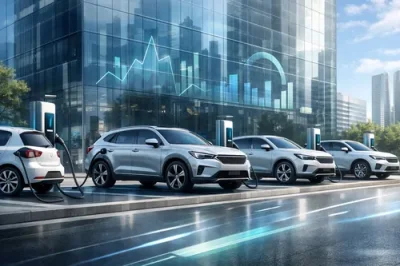
New vehicle figures for June 2026 show battery electric vehicles reached 23.3 per cent of monthly sales, meaning close to one in four new cars delivered was fully electric.
That is a notable step up from the one-in-six result seen earlier in the year, and it suggests buyers are no longer treating EVs as a niche option.

The bigger shift is not only the number of EVs being sold, but where the momentum is coming from. Chinese-built vehicles, including models from Chinese brands and some vehicles produced in China for global manufacturers, made up a substantial share of June deliveries. BYD continued to narrow the gap to Toyota, while the Tesla Model Y again showed how quickly an electric SUV can compete with traditional favourites.

For EV finance shoppers, this is good news and a warning at the same time. More competition can mean sharper driveaway pricing, better equipment levels and more lender appetite for eligible low-emission vehicles. It may also improve access to green car loan discounts for borrowers who meet the lender’s criteria. But a rapidly changing market can make resale values harder to predict, especially when newer models arrive with lower prices, longer range or faster charging.

That matters because an ev loan is not just about the monthly repayment. Buyers should look closely at the comparison rate, establishment fees, balloon payments, early payout rules and whether the vehicle qualifies for any green finance product. A cheaper sticker price can still become expensive if the loan structure is poorly matched to the borrower’s budget or ownership plans.

The June result also strengthens the case for planning before visiting a dealership. Buyers comparing a Tesla, BYD, Geely, MG or other fast-growing EV brand should model repayments across several terms and deposit amounts. This can help show whether a lower-rate green loan genuinely saves money, or whether a shorter term with a higher repayment is more suitable.

For used EV buyers, the surge in new deliveries may create more choice later, but vehicle history, battery warranty and remaining manufacturer support will become increasingly important. In a market moving this quickly, the smartest buyer is not necessarily the fastest buyer. It is the one who checks eligibility early, compares finance carefully and treats the car, the loan and the resale outlook as one connected decision.

Published:Tuesday, 14th Jul 2026
Author: Paige Estritori

Please Note: We do not endorse any specific products or companies. Some content is sourced from third parties, including press releases, and may not be independently verified for accuracy or completeness.

Share this news item:

Rate this article

0 Comments

No comments yet. Be the first to share your thoughts.

Finance News

Why EV Charging Costs Now Belong in Your Loan Budget
16 Sep 2026: Paige Estritori
Australia’s electric vehicle conversation is moving beyond the showroom. Recent energy and motoring coverage has put renewed attention on charging access, electricity tariffs and the real cost of keeping an EV on the road. For buyers planning an ev loan, that shift matters because affordability is no longer just about the purchase price, deposit and interest rate. - read more
Changing EV Loan Rates Give Buyers a Fresh Reason to Recheck the Numbers
09 Sep 2026: Paige Estritori
Recent car loan market updates suggest competition in electric vehicle finance is still active, with some lenders using green loan offers and sharper advertised rates to attract borrowers. For Australian EV buyers, that is encouraging, but it also makes the comparison process more important rather than less. A lower headline rate can reduce borrowing costs, yet it is only one part of the overall loan decision. - read more
Why Shifting EV Sales Matter for Your Finance Decision
02 Sep 2026: Paige Estritori
Australia’s electric vehicle market is no longer moving in one straight line. After the sharp lift in battery electric sales earlier this year, the latest market updates suggest buyers are still interested in EVs, but demand is becoming more selective. Model availability, price cuts, new entrants, delivery timing and household budget pressure are all influencing which cars gain momentum from month to month. - read more
More Used EV Choice Is Changing Buyer Finance Plans
26 Aug 2026: Paige Estritori
Australia's EV conversation is no longer only about the next new model arriving in showrooms. A more practical shift is emerging in the used market, where late-model electric cars are becoming easier to find as demonstrators, trade-ins, novated lease vehicles and early adopter cars return to the market. For buyers who have been interested in an EV but cautious about new-car pricing, that wider second-hand pool could be significant. - read more


Car Loan Articles

How EV Incentives and Tax Rules Can Affect Vehicle Finance in Australia
EV rebates, stamp duty concessions, registration discounts and tax settings can change the upfront cost or cash flow of buying an electric vehicle. This guide explains how those rules may affect the amount you need to finance in Australia. - read more
EV Finance Options in Australia: Loans, Leases and Business Vehicle Finance
Australians buying an electric vehicle may be able to use a secured car loan, unsecured personal loan, novated lease or business vehicle finance. Each option works differently, with different ownership, security, tax, repayment and eligibility considerations. - read more
Fluids and Filters: What Every EV Owner Needs to Know
Welcome to the world of EVs, where innovation meets sustainability. In Australia, EVs are gaining popularity as environmentally conscious drivers seek alternatives to traditional gasoline-powered cars. As we aim for a cleaner, greener future, understanding the basics of maintaining these vehicles becomes crucial. - read more
New and Used EVs: Finance Factors to Consider Before Applying
Deciding between a new and used electric vehicle is not only about purchase price, range and features. Lenders may assess new and used EVs differently, especially when vehicle age, odometer reading, battery condition, warranty cover, insurance and resale value are involved. - read more

Knowledgebase
Closing Costs:
The expenses over and above the price of the property incurred by buyers and sellers when transferring ownership of a property.