

EV Loan Hub :: News
SHARE

Share this news item!

Businesses Accelerate EV and Battery Finance Amid Fuel Volatility

Why rising diesel costs are changing the maths for Australian fleets

Businesses Accelerate EV and Battery Finance Amid Fuel Volatility?w=400

The information on this website is general in nature and does not take into account your objectives, financial situation, or needs. Consider seeking personal advice from a licensed adviser before acting on any information.

Australian businesses are increasingly treating electrification as a cost-control strategy, not just an environmental decision.
Recent reporting on bank lending data shows a sharp rise in finance for green equipment, with NAB saying its green equipment loan uptake between March and May 2026 was almost double the level recorded over the same period last year.

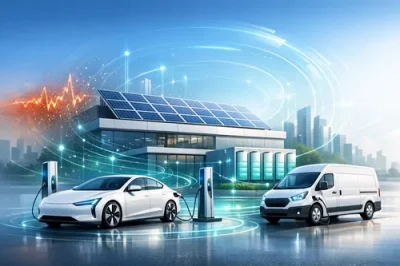
The key driver is fuel volatility. As diesel and petrol prices remain exposed to global supply shocks, many operators are looking for ways to reduce their reliance on imported fuels. For some businesses, that means financing electric vehicles for staff or delivery fleets. For others, it means pairing EVs with solar, batteries or electric machinery to reduce ongoing operating costs.

Importantly for EV Loan Hub readers, the story highlights a shift in how borrowers may assess an EV finance options. The cheapest vehicle on the day is not always the lowest-cost option over the life of ownership. A business weighing up a diesel van against an electric alternative may need to compare fuel savings, servicing costs, charging setup, depreciation, tax treatment and interest costs before deciding what is genuinely affordable.

The construction and manufacturing examples are especially relevant for small and medium businesses. Battery-powered cranes, rooftop solar and EV fleets are no longer fringe ideas for large corporates only. They are becoming practical tools for reducing exposure to fuel bills, particularly where vehicles return to a depot and can be charged on-site. That can make repayment planning more predictable, although the upfront purchase price and infrastructure costs still need careful attention.

For households and sole traders, the lesson is similar: do not assess an EV loan in isolation from running costs. A lower interest rate is valuable, but so is a realistic view of charging access, weekly kilometres, insurance, servicing and resale value. Before committing, buyers should model repayments across several loan terms and stress-test the result against their monthly budget.

This development also extends the recent trend of fuel price pressure pushing more Australians towards EVs. The fresh angle is that business borrowers are now acting at scale, and lenders are responding with products designed for cleaner vehicles and equipment. That could increase competition in green lending over time, but borrowers should still check fees, eligibility rules, balloon payments and early payout conditions.

For anyone considering a new or used EV, the takeaway is clear: compare the total cost, not just the sticker price. Finance can help bring forward the switch, but the best outcome comes from matching the loan, vehicle and charging setup to real-world usage.

Published:Sunday, 21st Jun 2026
Author: Paige Estritori

Please Note: We do not endorse any specific products or companies. Some content is sourced from third parties, including press releases, and may not be independently verified for accuracy or completeness.

Share this news item:

Rate this article

0 Comments

No comments yet. Be the first to share your thoughts.

Finance News

Businesses Accelerate EV and Battery Finance Amid Fuel Volatility
21 Jun 2026: Paige Estritori
Australian businesses are increasingly treating electrification as a cost-control strategy, not just an environmental decision. Recent reporting on bank lending data shows a sharp rise in finance for green equipment, with NAB saying its green equipment loan uptake between March and May 2026 was almost double the level recorded over the same period last year. - read more
Federal Budget 2026: Impacts on Electric Vehicle Owners and Charging Infrastructure
14 Jun 2026: Paige Estritori
The 2026 Federal Budget introduces significant changes affecting electric vehicle (EV) owners and prospective buyers in Australia. A key measure is the gradual reduction of the Fringe Benefits Tax (FBT) exemption for EVs purchased through novated leases. Initially introduced in 2022 to encourage EV adoption, this exemption allowed eligible EVs to be salary packaged without attracting FBT, substantially reducing running costs for many buyers. - read more
New Partnership Offers Affordable Financing for Hyundai and Kia Electric Vehicles
07 Jun 2026: Paige Estritori
The Clean Energy Finance Corporation (CEFC) has partnered with Hyundai Capital Australia to offer discounted financing options for eligible Hyundai and Kia electric vehicles (EVs). This initiative aims to make EV ownership more accessible by reducing the financial barriers associated with purchasing new, fully electric vehicles priced below the luxury car tax threshold of $91,387. - read more
Leading Australian Bank Offers Low-Interest Loans for Electric Vehicle Buyers
31 May 2026: Paige Estritori
In a significant move to promote sustainable transportation, a leading Australian bank has introduced low-interest loans specifically tailored for electric vehicle (EV) buyers. This initiative aims to make EV ownership more accessible and affordable, aligning with the growing consumer interest in environmentally friendly transportation options. - read more


Car Loan Articles

Unlocking Your EV Dreams: A Simple Guide to Loan Eligibility in Australia
In recent years, Australia has witnessed a significant shift towards eco-friendly transport solutions. Electric vehicles (EVs) are at the forefront of this movement, offering a sustainable alternative to traditional petrol and diesel cars. With advancements in technology and increased awareness about environmental impacts, more Australians are considering EVs as their next vehicle choice. - read more
New vs. Used EVs: What Fits Your Sustainable Lifestyle Best?
Welcome to the world of EVs (electric vehicles), where sustainable living and cutting-edge technology merge seamlessly. As Australia embraces the green movement, more people are considering EVs as their preferred mode of transport. Whether you're looking to reduce your carbon footprint or simply want to enjoy the benefits of electric transport, there's no better time to explore your options. - read more
Fluids and Filters: What Every EV Owner Needs to Know
Welcome to the world of EVs, where innovation meets sustainability. In Australia, EVs are gaining popularity as environmentally conscious drivers seek alternatives to traditional gasoline-powered cars. As we aim for a cleaner, greener future, understanding the basics of maintaining these vehicles becomes crucial. - read more

Knowledgebase
Adjustable-Rate Mortgage (ARM) Cap:
A limit on how much the interest rate or the payment can change for an Adjustable-Rate Mortgage.