
EV Loan Hub :: News
SHARE

Share this news item!

More EV Choice Is Coming, But Finance Still Needs Focus

A busy launch pipeline could help buyers negotiate, compare and plan with more confidence

More EV Choice Is Coming, But Finance Still Needs Focus?w=400

The information on this website is general in nature and does not take into account your objectives, financial situation, or needs. Consider seeking personal advice from a licensed adviser before acting on any information.

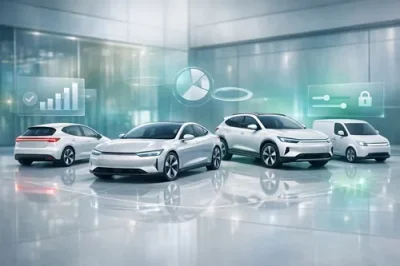
Australia’s electric vehicle market is heading into another busy phase, with a fresh wave of models still expected through 2026 across city cars, family SUVs, performance vehicles and more practical long-range options.
For buyers, the most important takeaway is not simply that there will be more badges in showrooms.
It is that broader choice can change the way an EV purchase should be timed, financed and compared.

Recent industry coverage of upcoming electric vehicles points to a market that is no longer relying on a handful of premium models to carry demand. More brands are pushing into lower and mid-priced segments, while established manufacturers are expanding their electric line-ups to defend market share. That should be positive for households that have been waiting for more competition before committing to an EV loan.

However, more choice does not automatically mean a cheaper ownership outcome. A lower sticker price can be offset by shorter range, slower charging, higher insurance, limited servicing access or weaker resale expectations. Conversely, a higher-priced model may be easier to justify if it offers better efficiency, stronger warranty coverage or features that reduce the need for costly upgrades later.

That makes modelling repayments especially important before ordering. Buyers should test the vehicle price, deposit, trade-in value, loan term, fees and any balloon payment, then consider whether home charging costs or installation will be rolled into the finance. A repayment that looks manageable on the vehicle alone may feel different once registration, insurance, tyres and charging infrastructure are included.

The expanding pipeline also creates a timing question. Ordering early may secure a preferred specification or launch allocation, but waiting can sometimes reveal sharper drive-away pricing, lender promotions or competitor discounts. This is particularly relevant in the budget and compact SUV segments, where small price movements can make a noticeable difference to monthly repayments.

For used EV shoppers, the arrival of more new models may also put pressure on near-new prices. That can be helpful for value-focused buyers, but lenders may assess used EVs differently depending on age, kilometres, battery warranty and resale assumptions. It is worth checking whether the loan terms available on a used vehicle are still competitive against finance for a new model.

The practical message is clear: 2026 is shaping up as a stronger buyer’s market, but it rewards preparation. Rather than chasing the newest launch, EV buyers should compare range, running costs, warranty, resale outlook and loan structure together. With more models arriving, the best decision may come from slowing down, testing the numbers and taking time to compare finance options before signing.

Published:Tuesday, 28th Jul 2026
Author: Paige Estritori

Please Note: We do not endorse any specific products or companies. Some content is sourced from third parties, including press releases, and may not be independently verified for accuracy or completeness.

Share this news item:

Rate this article

0 Comments

No comments yet. Be the first to share your thoughts.

Finance News

Latest EV Delivery Data Adds Another Budget Check for Buyers
04 Nov 2026: Paige Estritori
Australia’s electric vehicle market has entered the final stretch of 2026 with another sign of sustained buyer interest, after the Electric Vehicle Council’s October vehicle sales report showed combined Tesla and Polestar battery electric deliveries of 4,168 vehicles for the month. The figure does not cover the whole EV market, but it is still useful for finance-minded buyers because it shows that demand for popular electric models remains active even as household budgets stay under pressure. - read more
Renault Megane E-Tech Return Adds a New Budget Test for EV Buyers
28 Oct 2026: Paige Estritori
Renault has reopened the Australian order book for the updated Megane E-Tech, giving EV buyers another mid-priced electric hatchback to consider as they plan finance for 2027 deliveries. The refreshed model is priced from $55,990 plus on-road costs in a single Esprit Alpine grade, with showroom arrivals due in the first half of 2027 after a break in local availability. - read more
Why EV Charging Costs Now Belong in Your Loan Budget
16 Sep 2026: Paige Estritori
Australia’s electric vehicle conversation is moving beyond the showroom. Recent energy and motoring coverage has put renewed attention on charging access, electricity tariffs and the real cost of keeping an EV on the road. For buyers planning an ev loan, that shift matters because affordability is no longer just about the purchase price, deposit and interest rate. - read more
Changing EV Loan Rates Give Buyers a Fresh Reason to Recheck the Numbers
09 Sep 2026: Paige Estritori
Recent car loan market updates suggest competition in electric vehicle finance is still active, with some lenders using green loan offers and sharper advertised rates to attract borrowers. For Australian EV buyers, that is encouraging, but it also makes the comparison process more important rather than less. A lower headline rate can reduce borrowing costs, yet it is only one part of the overall loan decision. - read more


Car Loan Articles

EV Finance Options in Australia: Loans, Leases and Business Vehicle Finance
Australians buying an electric vehicle may be able to use a secured car loan, unsecured personal loan, novated lease or business vehicle finance. Each option works differently, with different ownership, security, tax, repayment and eligibility considerations. - read more
Fluids and Filters: What Every EV Owner Needs to Know
Welcome to the world of EVs, where innovation meets sustainability. In Australia, EVs are gaining popularity as environmentally conscious drivers seek alternatives to traditional gasoline-powered cars. As we aim for a cleaner, greener future, understanding the basics of maintaining these vehicles becomes crucial. - read more
How EV Incentives and Tax Rules Can Affect Vehicle Finance in Australia
EV rebates, stamp duty concessions, registration discounts and tax settings can change the upfront cost or cash flow of buying an electric vehicle. This guide explains how those rules may affect the amount you need to finance in Australia. - read more
New and Used EVs: Finance Factors to Consider Before Applying
Deciding between a new and used electric vehicle is not only about purchase price, range and features. Lenders may assess new and used EVs differently, especially when vehicle age, odometer reading, battery condition, warranty cover, insurance and resale value are involved. - read more

Knowledgebase
Credit Utilization:
The amount of credit you are using compared to the amount of credit available to you, typically expressed as a percentage.